Find Affordable Cabinet Installers In Davis: A Smart Homeowner’s Guide To Quality Work For Less In 2026
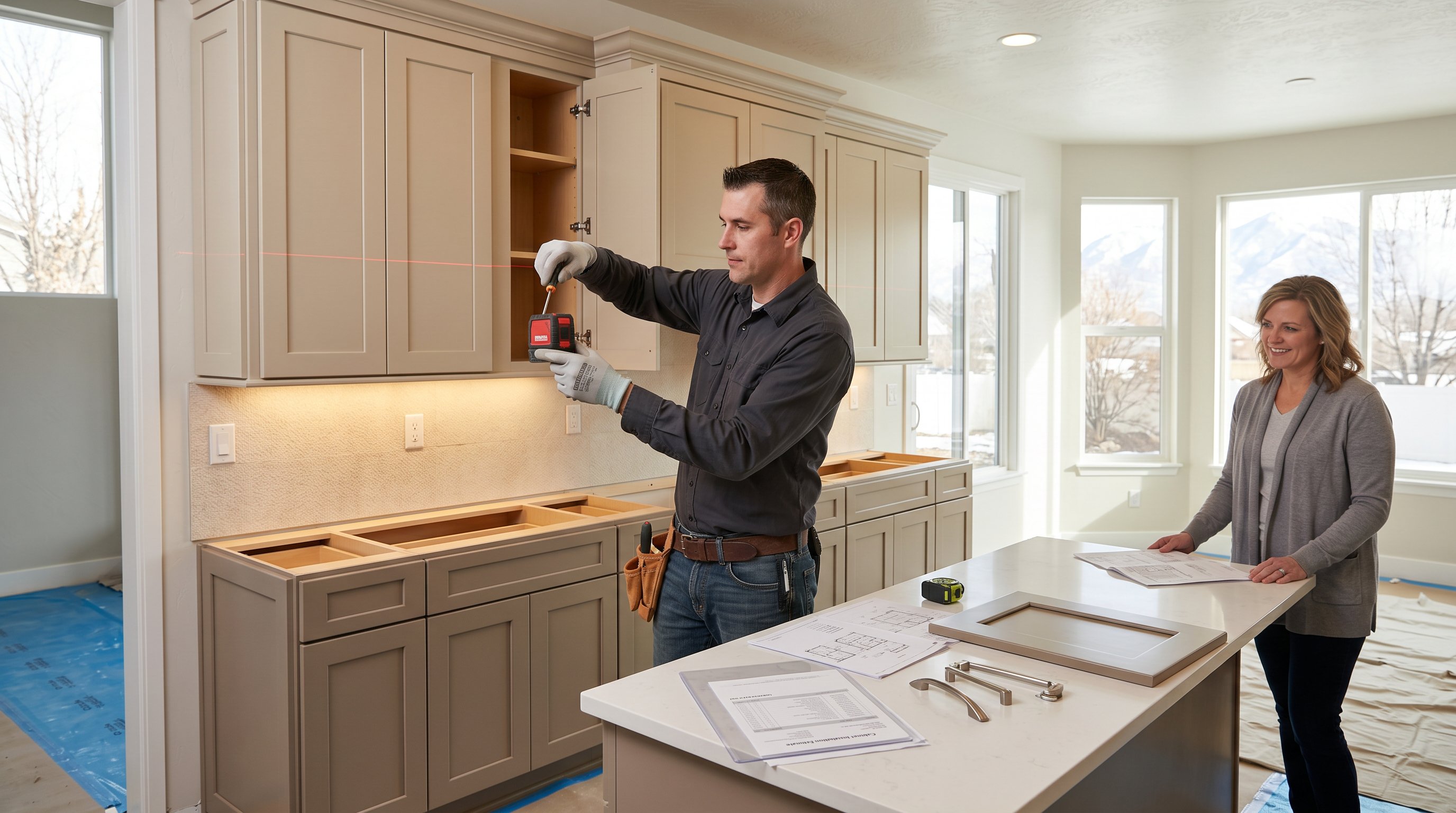
Cabinet installation is one of those projects that looks simple, right up until doors don't line up, fillers look awkward, or the whole kitchen feels slightly off. If you're trying to find affordable cabinet installers in Davis, the goal isn't just a low bid. It's solid work, clear pricing, and a finished space that holds up. We've seen homeowners save money by planning well, comparing the right details, and avoiding expensive shortcuts. Here's how to hire smart in 2026, protect your budget, and still get cabinetry that looks custom and functions beautifully.
What Affordable Cabinet Installation Really Means
Affordable cabinet installation doesn't mean hiring the cheapest crew on the list. It means getting dependable workmanship, accurate measurements, proper leveling, secure anchoring, and a clean finish at a fair price.
In practice, value comes from the full package: labor quality, communication, timeline, and how well the installer handles the details that most homeowners don't notice until something goes wrong. A low quote can get expensive fast if the installer damages walls, misaligns doors, or leaves gaps around appliances and ceilings.
We usually tell homeowners to think in terms of cost per year of satisfaction. If a slightly better installer charges more but prevents callbacks, sagging uppers, and premature wear, that's often the real bargain.
For homes in Davis and across Northern Utah, affordability also means choosing solutions that fit the home and climate. For example, smart material choices and solid installation methods matter more than flashy upgrades when you want long-term value.
How To Compare Cabinet Installers In Davis Without Overpaying
Start by comparing itemized quotes, not just totals. One installer may include delivery, hardware installation, fillers, trim work, and haul-off, while another leaves those costs out until later. On paper, the cheaper bid wins. In reality, it often doesn't.
Ask each company for the same scope so you can compare apples to apples. That includes:
- cabinet type and grade
- demolition or removal
- installation labor
- trim, fillers, and panels
- hardware installation
- punch-list adjustments
- cleanup
Also look at process. A professional installer should measure carefully, explain the schedule, and flag issues before the project starts. If they're vague during estimating, they'll probably be vague once your kitchen is torn apart.
At Caliber Cabinets, for example, transparent quotes and 3D renderings help homeowners see what they're paying for before work begins. That clarity matters. It reduces surprises, helps control cost, and makes it easier to decide where to spend and where to save.
The Biggest Factors That Affect Cabinet Installation Cost
Cabinet installation cost isn't driven by one number. It's shaped by the decisions behind the project.
The biggest factor is usually scope. A simple rip-and-replace is more affordable than changing the layout and moving plumbing, gas, or electrical. Once walls, utilities, and appliance locations shift, labor climbs quickly.
The second major factor is cabinet type. Semi-custom cabinets are often the sweet spot for budget-conscious homeowners. Fully custom cabinetry costs more, but it can maximize awkward spaces and deliver a cleaner built-in look.
Other cost drivers include:
- wood species and finish
- soft-close hardware and drawer upgrades
- tall pantry cabinets or oversized islands
- scribe work for uneven walls and floors
- integrated lighting
- timeline complexity and trade coordination
In Utah homes, there's another layer: climate. Dry winters can be rough on lower-quality materials. Choosing the right painted panel construction or more stable components may cost a little more upfront, but it can help avoid warping, cracking, and future repairs. Sometimes the cheapest option is only cheap for six months.
How To Spot Quality Craftsmanship Before You Hire
Photos are helpful, but they're not enough. Good lighting can make average work look impressive.
To judge craftsmanship, ask for close-up project photos or, better yet, local references. Pay attention to reveals around doors and drawers. Are the gaps consistent? Do crown details meet cleanly? Do end panels look intentional, or like an afterthought?
Here are a few signs of a quality cabinet installer:
- doors and drawer fronts align evenly
- fillers are sized neatly, not patched in awkwardly
- cabinets are level even though uneven floors
- trim joints are tight and finished cleanly
- uppers are anchored properly into framing
- the installer plans for appliance fit and clearance
This matters even more in family kitchens with heavy use. Deep drawer banks, hidden trash pull-outs, and large pantry doors all need proper support and adjustment.
We also recommend asking how the installer handles local structural realities. In Utah, especially along the Wasatch Front, secure anchoring isn't optional. Heavy upper cabinets and loaded shelves should be tied into framing correctly. Pretty cabinets are nice. Safe, durable cabinets are better.
Questions To Ask Before Signing An Installation Contract
A good contract protects both sides. Before signing, ask direct questions and listen for direct answers.
Start with these:
- What exactly is included in the installation price?
- Who handles demo, delivery, and disposal?
- What happens if walls or floors are out of level?
- Are touch-ups, adjustments, and final punch-list work included?
- What is the estimated timeline?
- Who coordinates countertops, plumbing, and electrical if needed?
- Are you licensed and insured?
- What warranty applies to labor?
You should also ask about jobsite protection. Dust control, floor protection, and daily cleanup make a huge difference if you're living in the house during the remodel.
If the project is part of a larger kitchen upgrade, ask how communication works from week to week. One of the biggest complaints homeowners have isn't cost, it's not knowing what's happening next. Clear scheduling and regular updates reduce stress and help prevent delays that can quietly add to the final bill.
Ways To Save Money Without Cutting Corners
There are smart ways to lower cabinet installation costs without sacrificing the result.
First, keep the existing layout if it works. Leaving the sink, range, and refrigerator in place can save a surprising amount because you avoid moving utilities.
Second, consider semi-custom cabinets for most of the kitchen, then invest strategically in the spots that matter most, maybe a custom island, better drawer organization, or a built-in coffee bar. That gives you a more tailored kitchen without paying custom pricing everywhere.
Third, choose upgrades that improve daily function, not just appearance. Deep drawers, soft-close hardware, and pull-out storage tend to deliver more value than purely decorative add-ons.
If your cabinet boxes are still structurally sound, cabinet refacing may also be worth exploring. New doors, drawer fronts, and hardware can dramatically update the room for less than a full replacement.
And don't overlook planning. A clear design, accurate measurements, and realistic timeline prevent change orders, the budget killer nobody enjoys. Saving money on a remodel is often less about finding the lowest bid and more about making fewer expensive mistakes.
Conclusion
If you want to find affordable cabinet installers in Davis, focus on value, not just price. The right installer will be transparent, skilled, and realistic about scope, materials, and timeline. When you compare bids carefully and ask sharper questions, you can spend wisely and still end up with cabinetry that looks better, works harder, and lasts for years.