Popcorn Ceiling Removal In Lehi Kitchen Remodels: What Homeowners Should Know Before They Start
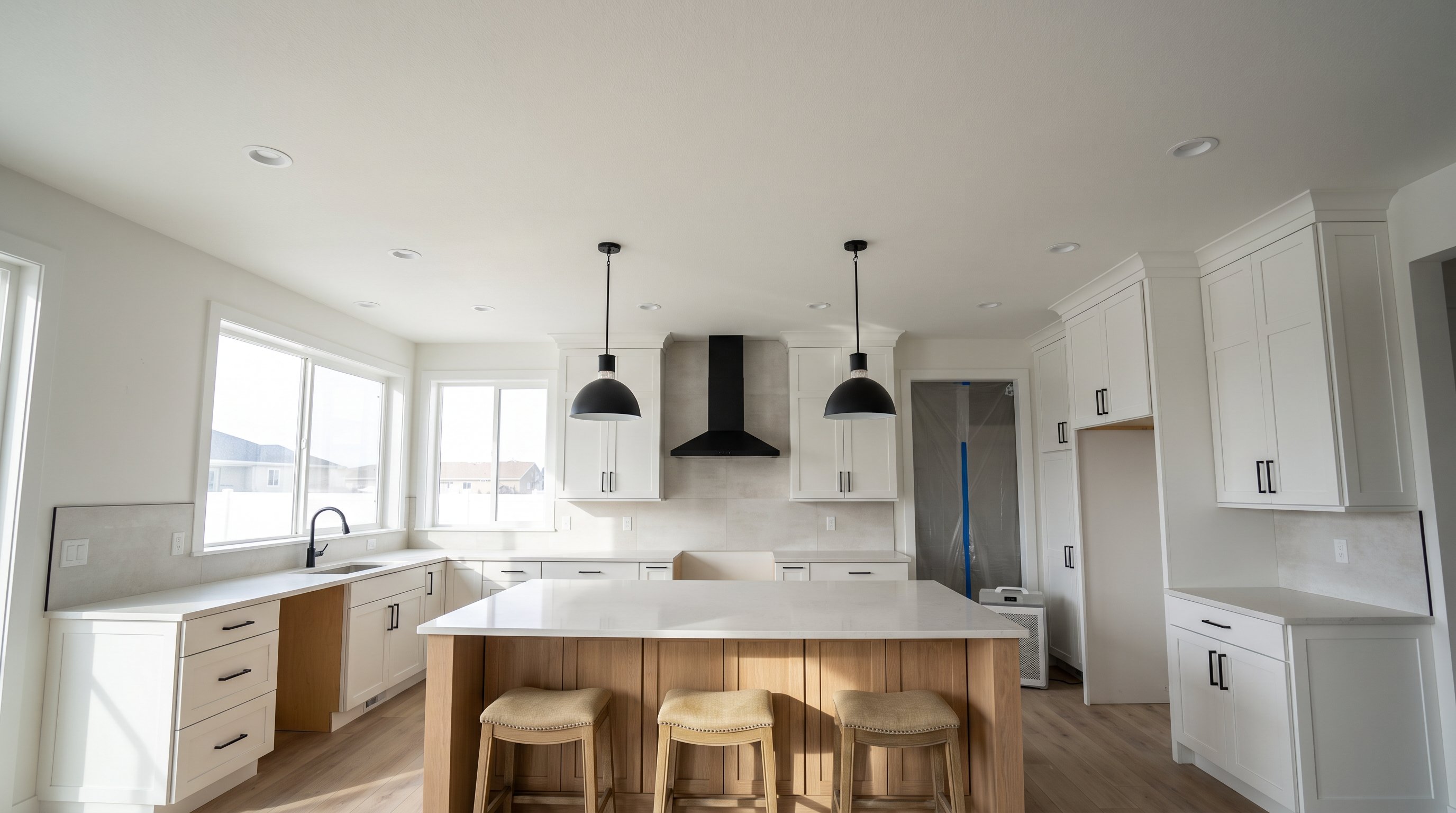
A popcorn ceiling can make an otherwise promising kitchen feel stuck in another decade before the first cabinet door even comes off. We've walked into plenty of Lehi homes where the layout had potential, the light was decent, and then that rough ceiling texture pulled the whole room down. If you're planning a kitchen remodel, removing it sounds simple on paper, but the smart move is knowing what that decision changes before demo starts.
Why Popcorn Ceilings Are Often Removed During A Kitchen Remodel
Popcorn ceilings are usually removed during a kitchen remodel because they age the room, trap grease and dust, and limit the finish quality of everything installed below them.
Kitchens put ceilings through more abuse than most spaces. Steam, cooking oils, and years of airborne residue cling to textured surfaces, which means a popcorn ceiling often looks dingy even after cleaning. Once homeowners invest in new counters, flooring, paint, and cabinetry, that contrast becomes hard to ignore.
Removal also helps the room feel taller and brighter. A flatter ceiling reflects light better, which matters in Lehi kitchens where we're often redesigning around new recessed lighting, pendants over an island, or under-cabinet LEDs. Texture shadows can make a fresh remodel feel dim when it shouldn't.
There's also the planning side. If we're installing Lehi kitchen cabinets, updating ventilation, or adjusting soffits, it makes sense to handle ceiling work before final finishes go in. Doing it later usually means re-masking the room, risking damage, and paying twice for cleanup.
What To Check Before Removing A Popcorn Ceiling In An Older Lehi Home
Before removal starts, we need to know what the texture contains, what shape the drywall is in, and how ceiling changes will affect the rest of the remodel.
Older homes in Lehi can hide a few surprises. A ceiling that looks like a cosmetic issue may also cover patched cracks, water staining, uneven seams, or outdated lighting boxes. That's why we don't treat popcorn removal like an isolated task. In a kitchen remodel, it ties directly to safety, schedule, and finish quality.
Asbestos Testing, Safety, And Local Compliance
Asbestos testing comes first if the home is older or the ceiling's install date is unclear.
Many popcorn ceilings installed before the 1980s may contain asbestos fibers. If that material is scraped, sanded, or broken apart without proper controls, those fibers can become airborne. That's not a risk worth guessing on. We recommend testing by a qualified professional before any disturbance begins, especially in occupied homes.
If asbestos is present, removal needs a different scope, different containment, and often a licensed abatement crew. Even when asbestos is not found, the job still creates heavy dust and debris. In active family homes, we isolate work areas with zip-wall barriers and HEPA air scrubbers so dust doesn't drift into living spaces, furniture, or HVAC returns.
Ceiling Damage, Texture Repairs, And Lighting Considerations
Surface condition matters because popcorn texture often hides flaws that become obvious the minute it's gone.
After scraping, we may find torn drywall paper, poorly taped joints, old patchwork, or sagging areas from past leaks. A clean flat finish usually requires skim coating, sanding, and primer before paint. If the goal is a high-end kitchen, this step can't be rushed. Smooth ceilings show mistakes fast.
Lighting should be reviewed at the same time. Removing texture can reveal crooked fixture placement, outdated can trims, or undersized electrical boxes. If you're changing the kitchen layout, it's smart to coordinate the ceiling plan with your electrician and Utah County cabinet team before cabinets are ordered. That keeps pendants centered over islands, task lighting aligned with work zones, and vent hood details looking intentional instead of improvised.
How Popcorn Ceiling Removal Affects Kitchen Design, Cabinets, And Finishes
Ceiling removal changes how the entire kitchen reads, from cabinet height to paint sheen to how expensive the finished space feels.
The biggest visual gain is cleaner sightlines. Once the heavy texture is gone, crown details, stacked uppers, wood grain, and slab or shaker door profiles all read more clearly. That matters when homeowners are investing in Lehi custom cabinets or mixing painted perimeter cabinets with a rift-sawn white oak island.
Cabinet planning may shift too. If the old texture ran behind soffits or short upper cabinets, removing it can expose opportunities to extend cabinetry higher and gain storage. In some kitchens, that means room for taller pantry units, appliance garages, or integrated cabinet lighting that would have looked cramped before.
Finish selection also gets easier. Smooth ceilings pair better with modern drywall lines, larger-format backsplash tile, and sharper paint transitions. And because Utah's dry climate can highlight joint movement and paint flaws, we like to coordinate ceiling prep with durable finish choices across the whole room. When the ceiling is flat and the cabinetry is built right, the kitchen stops feeling patched together and starts feeling engineered as one space.
What The Removal Process Looks Like From Prep To Paint
The process usually follows a clear sequence: test, protect, remove, repair, then prime and paint.
First, we confirm whether testing is needed and define the scope. If the kitchen remodel includes cabinet removal, flooring replacement, new electrical, or layout changes, we schedule the ceiling work in the order that creates the least rework. In many projects, popcorn removal happens early, after protection is up and before final installation begins.
Next comes containment. This job is messy, more than many homeowners expect. We mask floors, seal off adjacent spaces, and use heavy-duty dust control so demolition debris stays where it belongs. In lived-in homes, that step matters just as much as the scraping itself.
Then we remove the texture. Some ceilings release fairly cleanly with moisture and careful scraping. Others fight back because they've been painted over, patched repeatedly, or damaged by previous leaks. After removal, we inspect the substrate and repair what the texture had been hiding.
From there, the ceiling gets skim coated as needed, sanded, primed, and painted. This is also the stage where electricians can finalize recessed lights or pendant boxes before the last coat goes on. If the kitchen is part of a full remodel, the whole sequence usually fits inside a broader 4-to-8-week construction window, depending on layout changes, cabinetry scope, and finish selections.
The payoff is simple: a brighter ceiling, cleaner lines, and a better backdrop for everything else going into the room.
Conclusion
If you're removing a popcorn ceiling during a Lehi kitchen remodel, treat it like a design and construction decision, not a weekend side project. Testing, dust control, surface repair, and cabinet coordination all affect the result. When we plan those pieces together from day one, the kitchen looks cleaner, functions better, and holds up the way a major investment should.
Frequently Asked Questions About Popcorn Ceiling Removal in Lehi Kitchen Remodels
Why is popcorn ceiling removal important during a Lehi kitchen remodel?
Removing popcorn ceilings during a kitchen remodel in Lehi updates the room’s look, removes trapped grease and dust, and enhances lighting by providing a smooth surface that reflects light better, making the kitchen appear brighter and taller.
What safety precautions are necessary before removing a popcorn ceiling in an older Lehi home?
Asbestos testing is crucial in older Lehi homes because popcorn ceilings installed before the 1980s may contain asbestos. If present, removal requires licensed abatement crews and containment to prevent airborne fibers, protecting family health during kitchen remodels.
How does popcorn ceiling removal affect kitchen cabinet planning and design?
Removing popcorn ceilings reveals clearer sightlines and can expose areas to extend cabinets higher, creating more storage options. It also improves coordination for lighting and soffits, ensuring custom cabinets fit perfectly and the kitchen feels cohesive and well-engineered.
What should I expect during the popcorn ceiling removal process in a Lehi kitchen remodel?
The removal process includes asbestos testing if needed, installing zip-wall barriers and HEPA air scrubbers for dust control, scraping the texture, repairing drywall flaws, then priming and painting the ceiling. This sequence protects living spaces and ensures a flawless finish.
Can popcorn ceiling removal improve the overall lighting in my remodeled kitchen?
Yes, a smooth ceiling surface reflects light more efficiently than textured popcorn ceilings. This enhances recessed, pendant, and under-cabinet lighting in Lehi kitchens, making the space feel brighter and better illuminated for cooking and entertaining.
How do local conditions in Utah affect popcorn ceiling removal and kitchen remodeling?
Utah’s dry climate requires durable finishes and careful coordination during popcorn ceiling removal to prevent paint and drywall issues. Proper ceiling prep alongside custom cabinet installation ensures your remodel withstands local humidity changes and looks flawless year-round.